Sensors: The Eyes and Ears of Modern Technology
“Where machines feel, think, and respond — sensors lead the way.”
A sensor is an electronic device that detects and responds to some type of input from the physical environment. The specific input could be light, heat, motion, moisture, pressure, gas, or sound, among others. The output is generally a signal that is converted into a readable format, often used by microcontrollers or processors in automated systems.
About us
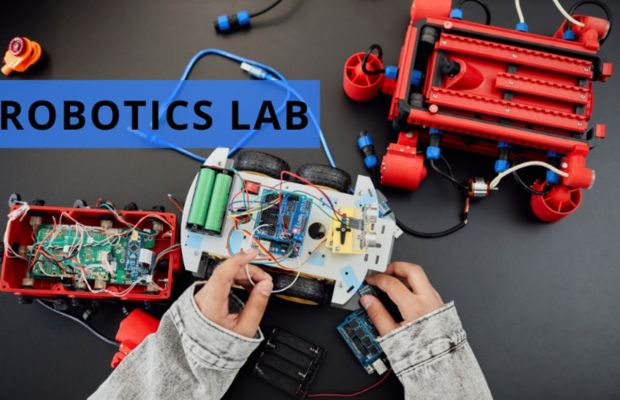
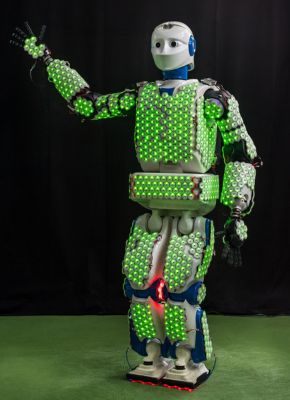
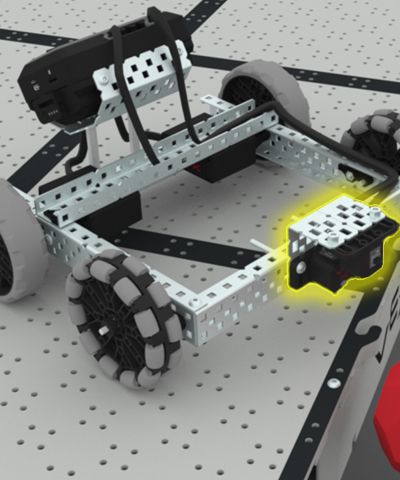
Robotics without sensors is like a body without senses
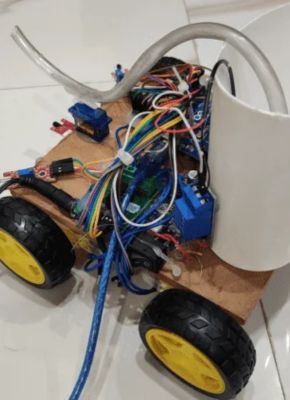
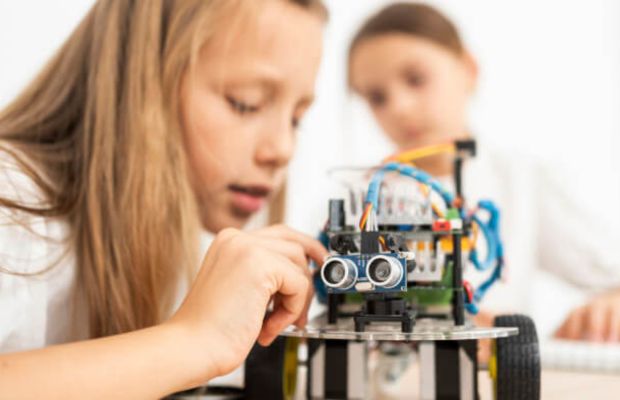
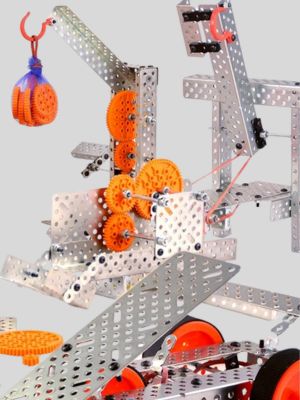
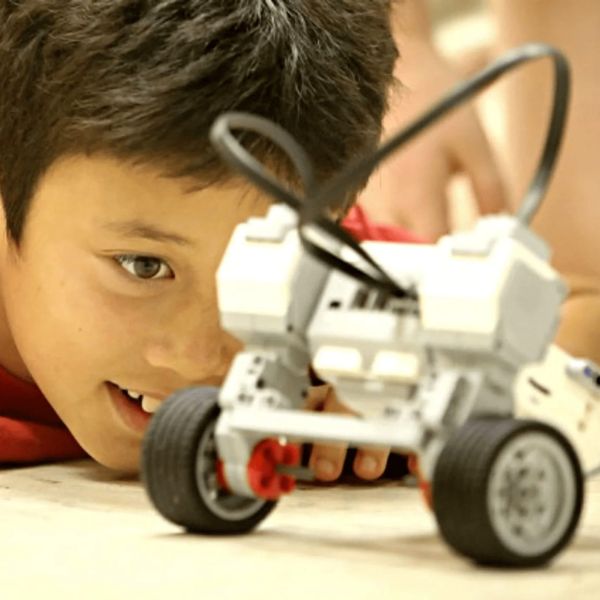
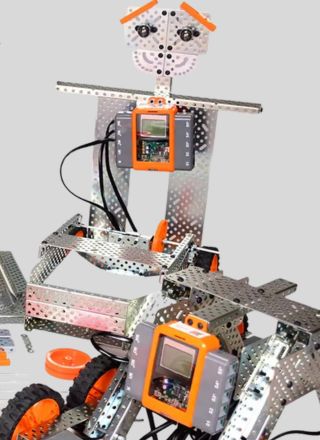
In robotics education, sensors act as the primary input devices that bring student creations to life. They encourage hands-on learning, promote design thinking, and teach students to build solutions that sense and respond to their environment.
In the world of robotics, sensors are the silent sentinels—detecting, responding, and guiding machines to interact wisely with the world around them.
The heartbeat of every intelligent robot lies in its sensors—subtle, silent, yet supremely powerful.

HOD Robotics
Type of Sensora
Sensors of every kind, shaping robotic minds
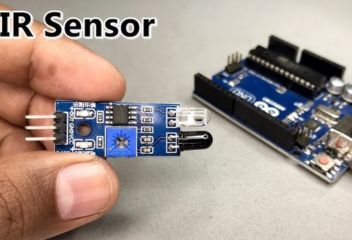
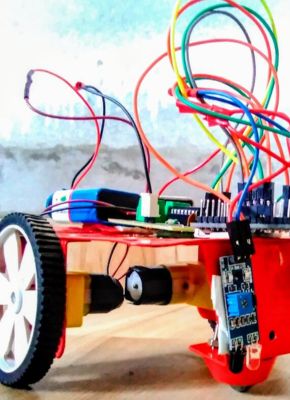
IR Sensor
An IR Sensor is a device that emits and/or detects infrared light to sense its surroundings. It is widely used in motion detection, obstacle avoidance, and remote control systems.
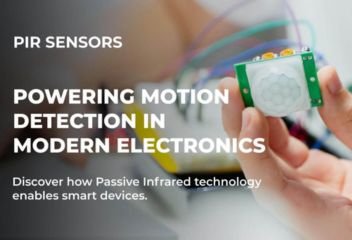
PIR Sensor
A PIR (Passive Infrared) Sensor detects infrared radiation (heat) emitted by living beings such as humans or animals. It does not emit anything itself—hence, it’s called passive.
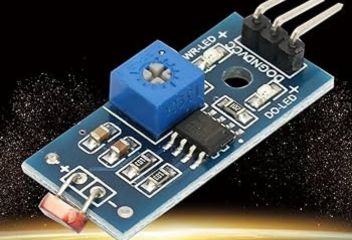
LDR Sensor
An LDR (Light Dependent Resistor) is a passive electronic component whose resistance changes with the intensity of light falling upon it. In brighter light, its resistance decreases; in darkness, its resistance increases.
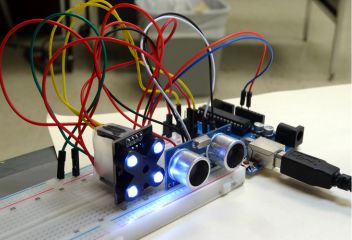
Ultrasonic Sensor
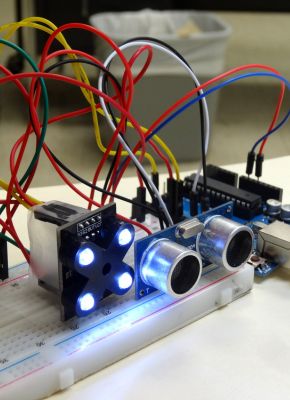
An Ultrasonic Sensor is an electronic device that measures the distance to an object using ultrasonic sound waves. It sends out a sound wave, waits for it to bounce back from an object, and calculates the distance using the speed of sound.
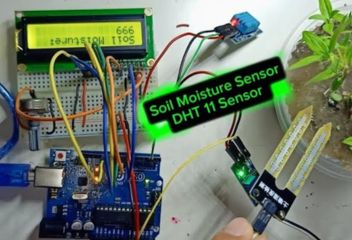
Soil Moisture Sensor
A Soil Moisture Sensor measures the water content present in the soil. It helps determine whether the soil is dry, moist, or wet, allowing intelligent decisions for irrigation systems and farming projects.
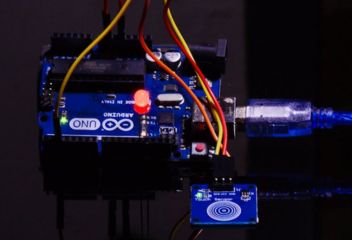
Touch Sensor
A Touch Sensor is an electronic switch that detects physical contact, usually from a human finger or conductive object. It replaces mechanical switches with smooth, silent, and seamless control.
Sensors make technology feel, think, and respond to the real world
Home Automation
Automatic lights, smart thermostats, gas leak detectors, and motion-sensing alarms.
Robotics & Automation
Object detection, obstacle avoidance, and environmental interaction using sensors like ultrasonic, IR, and touch.
Agriculture
Soil moisture sensors, temperature & humidity monitors, and crop health diagnostics.
Automobiles
Parking sensors, airbag deployment systems, engine monitoring, and lane assist features.
Healthcare
Heart rate monitors, glucose sensors, wearable fitness trackers, and temperature sensors in medical devices.
Industrial Automation
Pressure sensors in pipelines, temperature sensors in furnaces, and proximity sensors in conveyor belts.